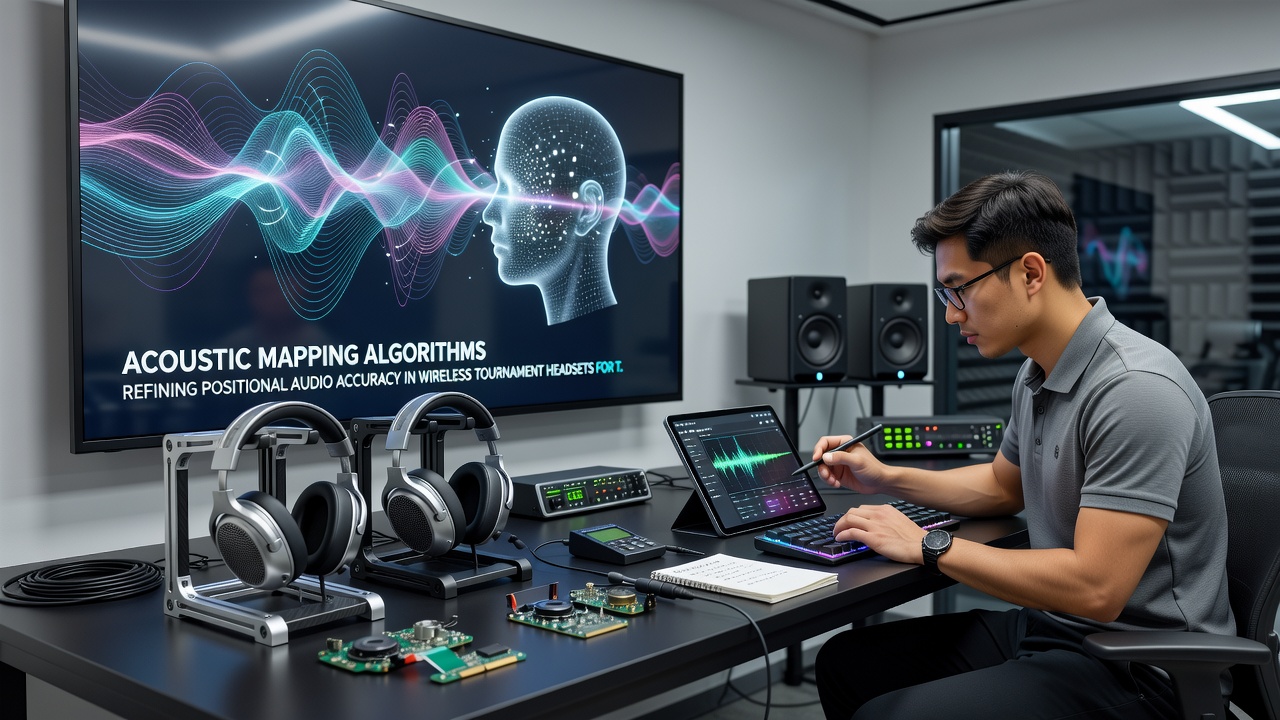
Acoustic Mapping Algorithms Refining Positional Audio Accuracy in Wireless Tournament Headsets for Team Coordination During Extended Matches
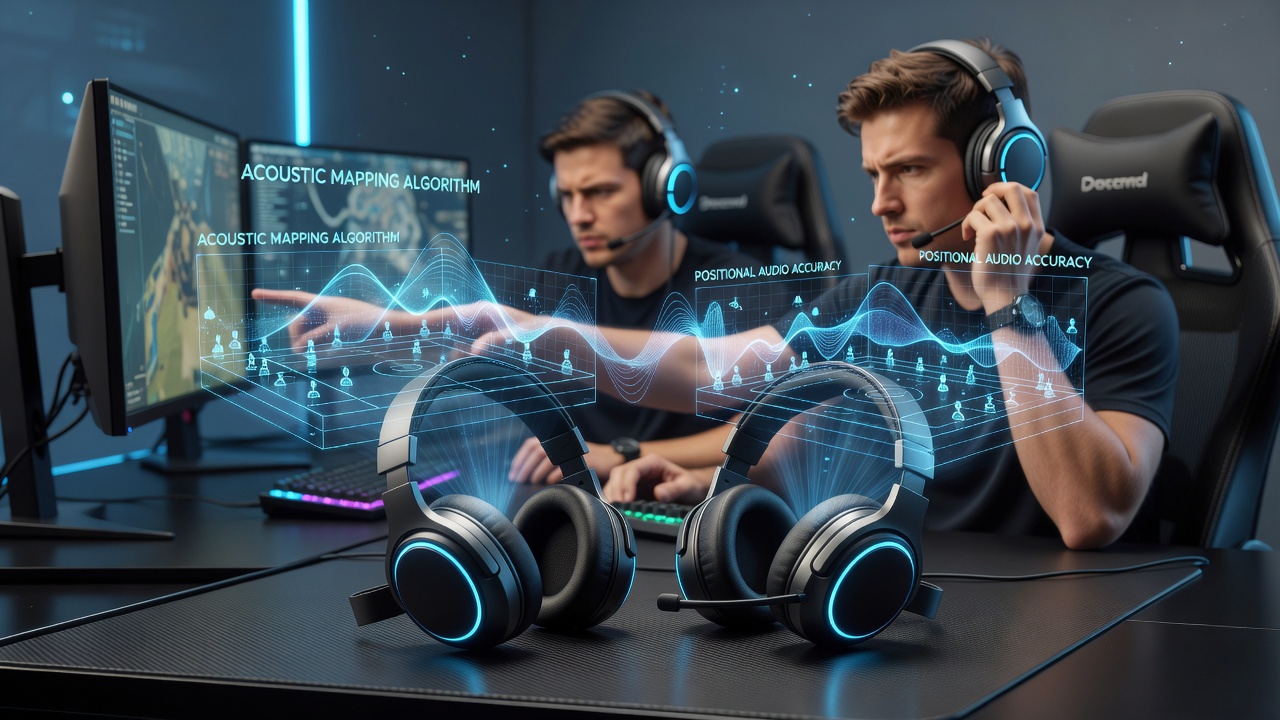
Acoustic mapping algorithms process spatial audio data in real time to pinpoint sound origins with greater precision inside wireless tournament headsets, and these systems adjust audio output based on player positions and environmental variables during long competitive sessions. Researchers have developed these algorithms to handle latency constraints that arise in wireless transmissions, while they integrate sensor inputs from multiple microphones embedded in the headset hardware.
How Acoustic Mapping Algorithms Operate in Headset Systems
Algorithms build three-dimensional sound maps by analyzing time-of-arrival differences across microphone arrays, and they apply filtering techniques to isolate relevant audio cues from background noise in arena environments. Data from head-tracking sensors combines with these maps to recalibrate audio rendering as players shift positions, which maintains directional accuracy even when teams execute rapid maneuvers across extended match durations that stretch past several hours.
Engineers refine these processes through iterative calibration routines that account for wireless signal fluctuations, yet the core computation relies on fast Fourier transforms to decompose incoming audio streams into frequency components for spatial placement. Observers note that such refinements allow headsets to distinguish between teammate communications and opposing player movements without introducing perceptible delays that could disrupt coordination.
Integration with Wireless Tournament Headset Hardware
Wireless headsets used in organized competitions incorporate dedicated digital signal processors that run acoustic mapping routines alongside standard audio decoding pipelines, and manufacturers design these chips to operate within strict power budgets that support continuous use across multi-hour events. Battery management protocols adjust computational load dynamically based on match intensity, while antenna arrays maintain stable connections to base stations positioned around competition venues.
Teams outfit players with these headsets during qualifying rounds and finals alike, where positional audio cues help coordinate strategies without requiring visual confirmation of every teammate location. Studies conducted at institutions such as the National Institute of Standards and Technology have examined how these hardware-software pairings perform under varying electromagnetic interference levels common at large-scale tournaments.
Performance Data from Competitive Events in 2026
Records from tournaments held in July 2026 show measurable improvements in team response times when acoustic mapping features activate on compatible headsets, with coordination metrics derived from in-game action logs indicating fewer instances of miscommunication during high-pressure sequences. Audio engineers deployed updated algorithm versions ahead of these events, and subsequent analysis revealed tighter clustering of sound localization errors within acceptable thresholds for professional play.
Figures from industry reports compiled by groups like the Audio Engineering Society highlight how these enhancements scale across different wireless protocols, including those operating in the 5 GHz and 6 GHz bands that tournaments increasingly adopt for reduced congestion. Participants in these events benefit from consistent audio fidelity that persists even as venue acoustics change throughout the day due to crowd dynamics and equipment heat buildup.
Technical Challenges Addressed by Recent Algorithm Updates
Latency remains a primary concern in wireless audio chains, so developers incorporate predictive modeling within acoustic mapping frameworks to anticipate player movements and pre-render adjusted sound fields accordingly. This approach compensates for transmission delays that range from 10 to 30 milliseconds depending on network conditions, and it preserves the illusion of instantaneous positional feedback essential for synchronized team actions.
Environmental variables such as temperature fluctuations and humidity levels inside arenas also influence sound propagation, yet algorithms now include adaptive compensation modules that recalibrate maps on the fly using data from onboard environmental sensors. Those who have analyzed post-match telemetry observe that these modules reduce variance in perceived audio directionality across sessions that exceed four hours in length.
Future Directions for Algorithm Development in Esports Gear
Research groups continue to explore machine learning integrations that could further optimize acoustic mapping by learning individual player movement patterns over multiple matches, and preliminary implementations demonstrate incremental gains in accuracy during simulated extended play scenarios. Hardware iterations planned for late 2026 aim to increase microphone density within headsets, which would supply richer input datasets for these evolving algorithms without exceeding current weight and comfort constraints.
Standardization efforts among headset producers focus on open interfaces that allow third-party algorithm updates, ensuring compatibility across different tournament organizers and venue setups worldwide. Data collected from these implementations continues to inform refinements that prioritize reliability under the sustained operational demands of professional competition schedules.
Conclusion
Acoustic mapping algorithms have become integral to wireless tournament headsets by delivering refined positional audio that supports precise team coordination across prolonged matches. Technical advancements in processing and sensor fusion maintain performance stability, while ongoing data collection from events like those in July 2026 guides further enhancements in accuracy and responsiveness. These developments reflect broader trends in audio technology tailored specifically for competitive gaming environments where every directional cue contributes to strategic execution.