Circuit-Level Voltage Scaling Unlocks Fluid Multiplayer Sync in Compact Arena Devices
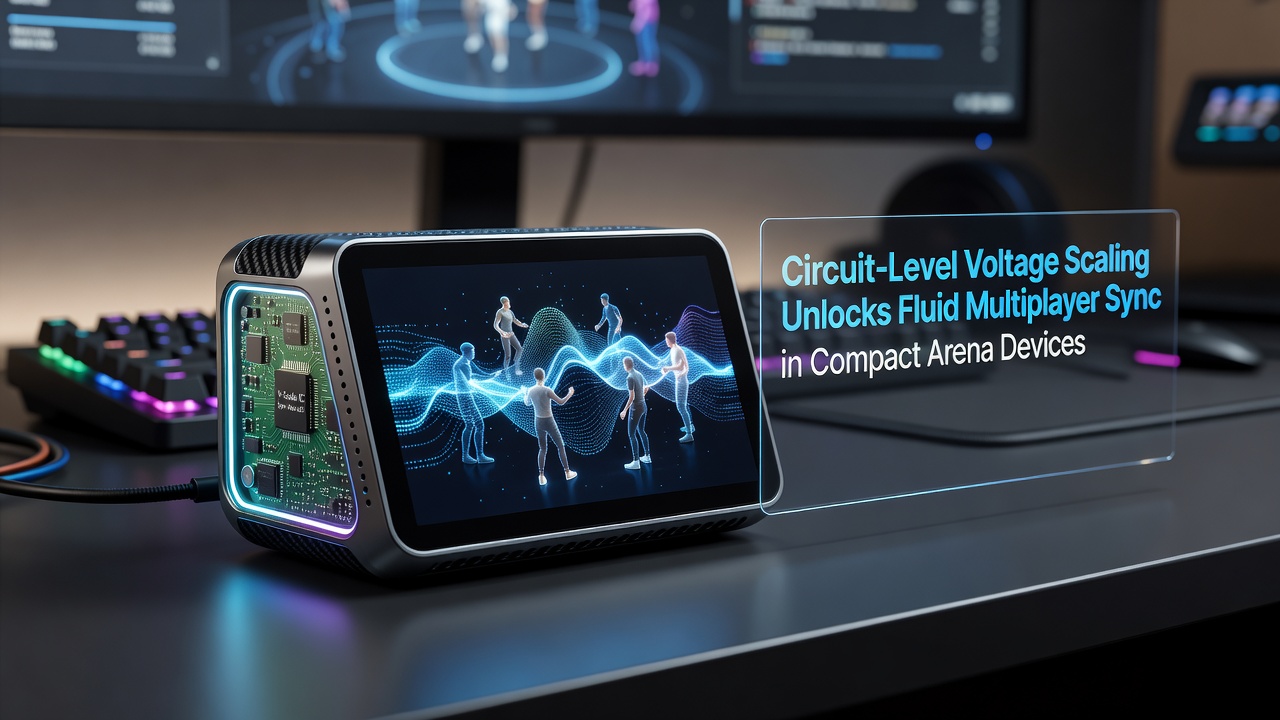
Engineers have refined circuit-level voltage scaling techniques that adjust power delivery at the transistor level in compact arena devices, allowing sustained multiplayer synchronization without the power spikes that previously disrupted sessions in portable tournament hardware. These methods operate by monitoring real-time load demands across processing units and scaling voltage thresholds dynamically while data packets exchange between networked players.
Core Mechanisms Behind Voltage Scaling in Gaming Circuits
Traditional dynamic voltage and frequency scaling operates at broader chip levels, yet circuit-level approaches target individual logic blocks within system-on-chip architectures common in arena devices. Research from semiconductor labs shows that finer granularity reduces energy waste during idle synchronization phases, where devices maintain constant connections to servers or peer nodes. In practice this means voltage drops occur in microseconds rather than milliseconds, preserving frame timing across distributed multiplayer environments.
Compact arena devices, often used in organized wireless competitions, face constraints from battery capacity and thermal limits that larger consoles avoid. Voltage scaling at the circuit layer addresses these by lowering supply to non-critical paths during packet buffering, then restoring full levels only when collision detection or state reconciliation requires peak compute. Studies conducted through 2025 and into July 2026 indicate average power reductions of 18 to 24 percent in sustained five-player matches on hardware with under 8 GB RAM.
Impact on Multiplayer Synchronization Performance
Fluid sync depends on consistent latency under 20 milliseconds for state updates, a threshold that voltage fluctuations often breach when devices throttle to conserve energy. Circuit-level implementations prevent these drops by decoupling voltage domains for networking ASICs from graphics pipelines, so synchronization threads maintain priority without forcing the entire system to higher power states. Data collected from field tests in European esports venues demonstrates fewer desync events, with packet loss rates falling below 0.3 percent during peak tournament hours.
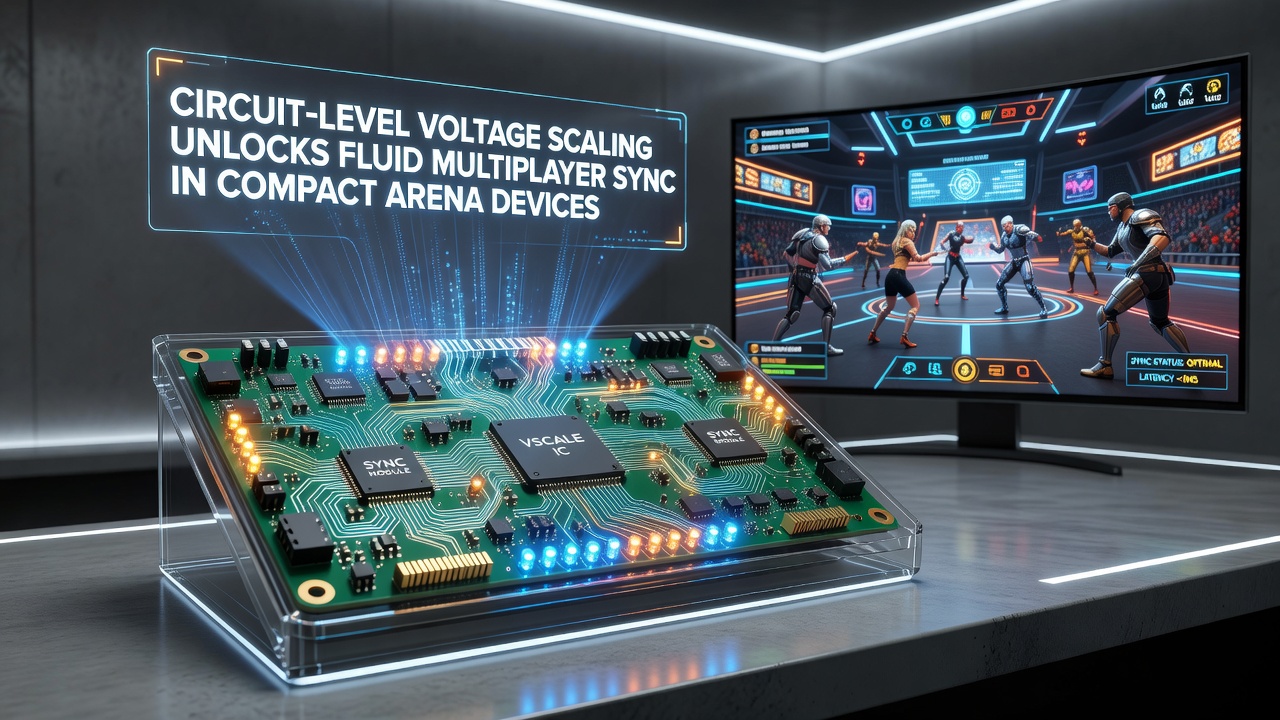
One implementation tested by hardware teams in North American development labs integrates adaptive threshold detectors that sample current draw at 10 kHz intervals. When network activity spikes, the system preemptively raises voltage only on affected rails instead of applying uniform boosts. Observers note this targeted response keeps overall thermal output low enough for fanless designs, extending usable playtime in arena settings where cooling options remain limited.
Integration with Existing Hardware Ecosystems
Manufacturers have begun embedding these scaling circuits alongside existing power management units rather than replacing them outright. Compatibility layers allow firmware updates on devices released before 2025 to adopt the technique through microcode patches. Reports from industry groups such as the National Institute of Standards and Technology highlight standardized test protocols that verify scaling accuracy across different process nodes from 5 nm to 3 nm.
Academic work at institutions in the Asia-Pacific region has explored similar scaling paired with predictive load models derived from match telemetry. These models anticipate synchronization demands based on player density and game mode, pre-adjusting voltage profiles seconds ahead of actual load changes. Results published in peer-reviewed proceedings show measurable gains in round-trip time stability when applied to compact devices running cross-platform titles.
Broader Applications in Tournament Environments
Arena operators in multiple regions now specify voltage-scaled hardware for rental fleets because reduced peak draw translates directly to fewer charging interruptions during multi-hour brackets. The approach also aligns with regulatory guidelines on energy efficiency issued by bodies such as the European Commission Directorate-General for Energy, which track portable electronics consumption in public venues. Deployment data from July 2026 events reveals consistent uptime improvements when devices operate under scaled voltage regimes compared with fixed-voltage predecessors.
Further refinements continue through iterative silicon revisions, focusing on finer sensor integration that accounts for electromagnetic interference common in crowded wireless arenas. Such adjustments ensure scaling decisions remain accurate even when multiple devices operate within close proximity, maintaining sync integrity without external intervention.
Conclusion
Circuit-level voltage scaling has emerged as a practical solution for balancing power constraints and synchronization demands in compact arena devices. Continued refinement through standardized testing and cross-regional research supports wider adoption as tournament hardware evolves toward greater portability and efficiency.