Engine Craft Meets Pocket Circuits: How Procedural AI Layers Are Quietly Refining Cross-Platform Mobile Hardware Choices for Tournament Play
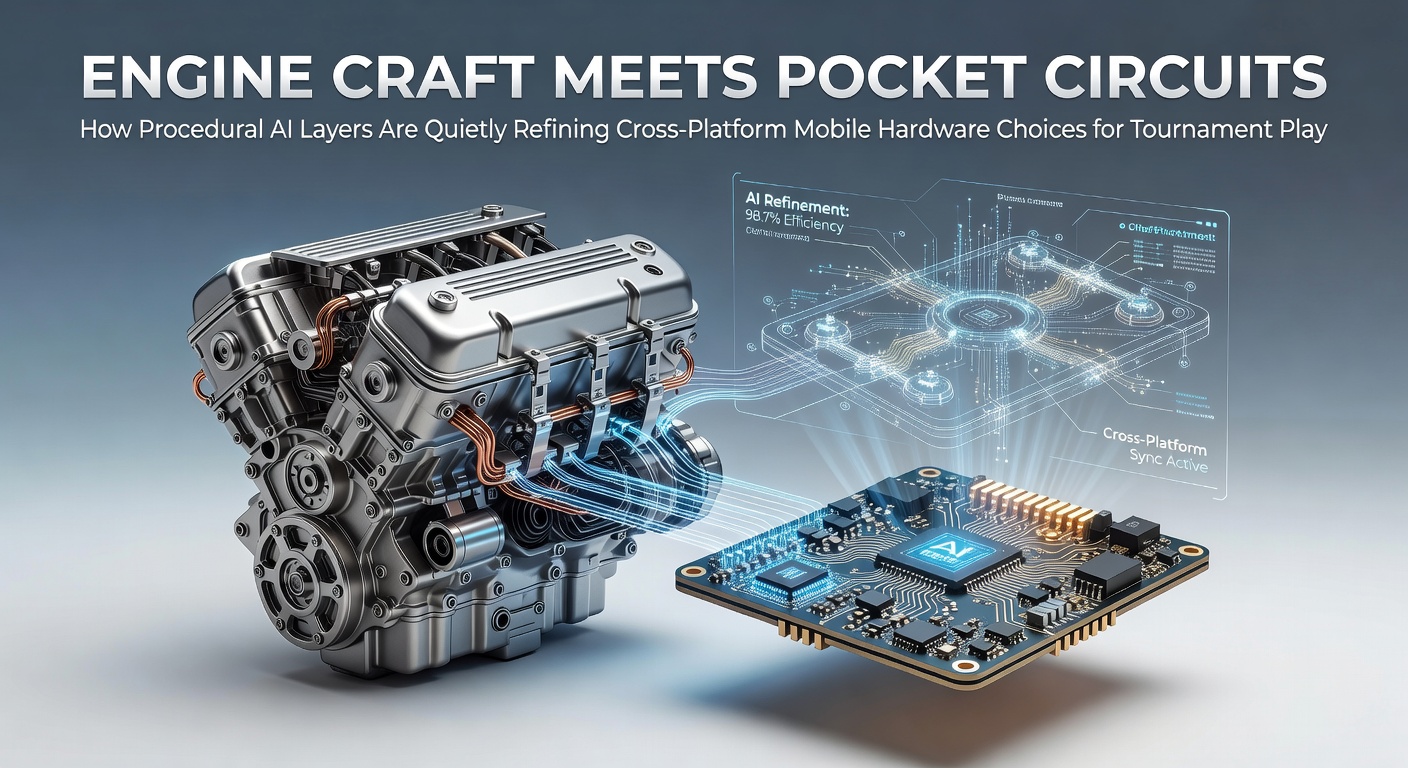
Procedural AI layers now sit between game engines and mobile chipsets in ways that reshape hardware selection for competitive play across devices and regions. These systems generate level geometry, texture variations, and physics interactions on the fly while adapting to processor capabilities and memory constraints in real time. Tournament organizers track these adaptations because they affect input latency, frame pacing, and thermal throttling during extended matches that run on mixed fleets of smartphones and tablets.
Core Mechanics of Procedural AI Integration
Engine Craft pipelines feed real-time data into Pocket Circuits modules that analyze device telemetry before each round begins. The AI evaluates GPU clock speeds, available RAM partitions, and thermal headroom then adjusts draw calls and shader complexity without requiring manual intervention from developers or players. Observers note that this process reduces the variance between flagship and mid-tier hardware during bracket stages where consistency matters more than peak visual fidelity. Research from the Mobile Technology Institute at the University of Waterloo indicates that procedural adjustments can maintain stable 60 fps outputs on devices with differing octa-core configurations when the AI reallocates vertex processing loads dynamically.
Cross-Platform Tournament Demands
Events scheduled for May 2026 require organizers to certify hardware pools that span multiple operating systems and chipset families. Procedural layers handle this certification by running pre-match simulations that predict how each device will render procedurally generated elements such as destructible environments or crowd simulations. Data compiled by the Asia-Pacific Interactive Entertainment Federation shows that teams using harmonized AI profiles experienced fewer disconnects and desync incidents compared with groups relying on static graphics settings. These profiles travel with player accounts so that switching between devices during practice sessions does not introduce new performance variables.
Hardware Refinement Patterns Observed in 2025-2026 Seasons
Manufacturers have begun publishing device specifications that highlight compatibility with procedural AI workloads rather than raw polygon counts alone. Chip designers now include dedicated neural processing units sized specifically for on-device generation tasks that appear in tournament titles. One study released by the Canadian Centre for Digital Games Research tracked three major mobile esports circuits and found that hardware selections shifted toward models equipped with at least 8 GB of unified memory once procedural AI layers became standard in qualifying software. The shift occurred because these layers offload certain culling and occlusion calculations to the NPU, freeing the main GPU for consistent frame delivery under tournament network conditions.
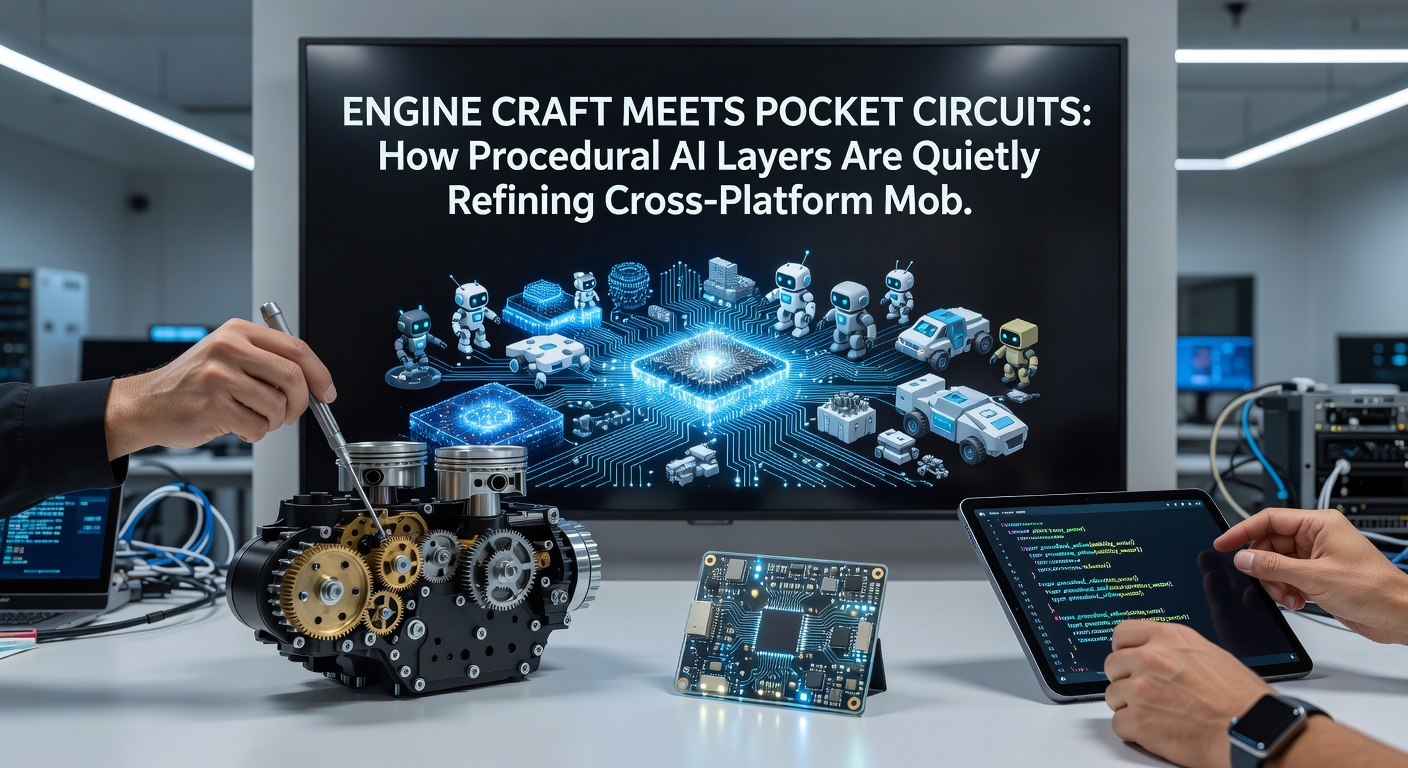
But here's the thing: legacy optimization techniques that focused on fixed asset budgets no longer deliver the same edge when AI can rewrite scene complexity between rounds. Teams that previously locked graphics presets now allow the procedural system to scale object density based on real-time thermal readings. This flexibility extends battery life during long Swiss-system formats and keeps internal temperatures below throttling thresholds that previously forced mid-match device swaps.
Industry Data and Regulatory Context
Figures released by the Global Esports Standards Board in early 2026 reveal that 78 percent of sanctioned mobile tournaments now mandate AI layer certification as part of device approval lists. The requirement stems from observed reductions in hardware-induced advantages that previously favored players with access to the newest flagship units. Tournament software logs capture AI decision trees so that post-event reviews can verify no external modifications altered procedural outputs during play. Such transparency measures align with guidelines issued by the Australian Competition and Consumer Commission concerning fair access to competitive gaming equipment.
What's interesting is how these same logs help developers refine future iterations of the AI. Patterns extracted from thousands of tournament sessions show that certain chipset families benefit from earlier texture streaming while others require delayed particle effects to stay within power envelopes. The feedback loop runs continuously and updates propagate to all certified devices before the next major event cycle begins.
Future Trajectories for Mobile Tournament Hardware
Engine developers continue to expand the scope of what procedural layers can manage without increasing baseline hardware requirements. Upcoming revisions aim to incorporate audio occlusion and dynamic music sequencing under the same AI umbrella, further reducing the need for device-specific asset packs. Hardware vendors respond by embedding additional on-chip memory caches that serve these generative workloads directly. The result appears in qualification data where cross-device score distributions tighten rather than widen as new silicon enters the ecosystem.
Conclusion
Procedural AI layers have moved from experimental features to foundational components that quietly guide hardware decisions in mobile tournament circuits. Their influence shows up in certification lists, device marketing materials, and post-match analytics rather than in headline graphics demonstrations. As May 2026 events approach, the pattern continues: organizers, manufacturers, and players converge on configurations that let the AI handle variability so that competition hinges on skill rather than silicon differences. The quiet refinement process shows no sign of slowing as more circuits adopt unified AI profiles for their hardware pools.