Light Transport Simulations Enhance Graphics Efficiency in Portable Tournament Setups
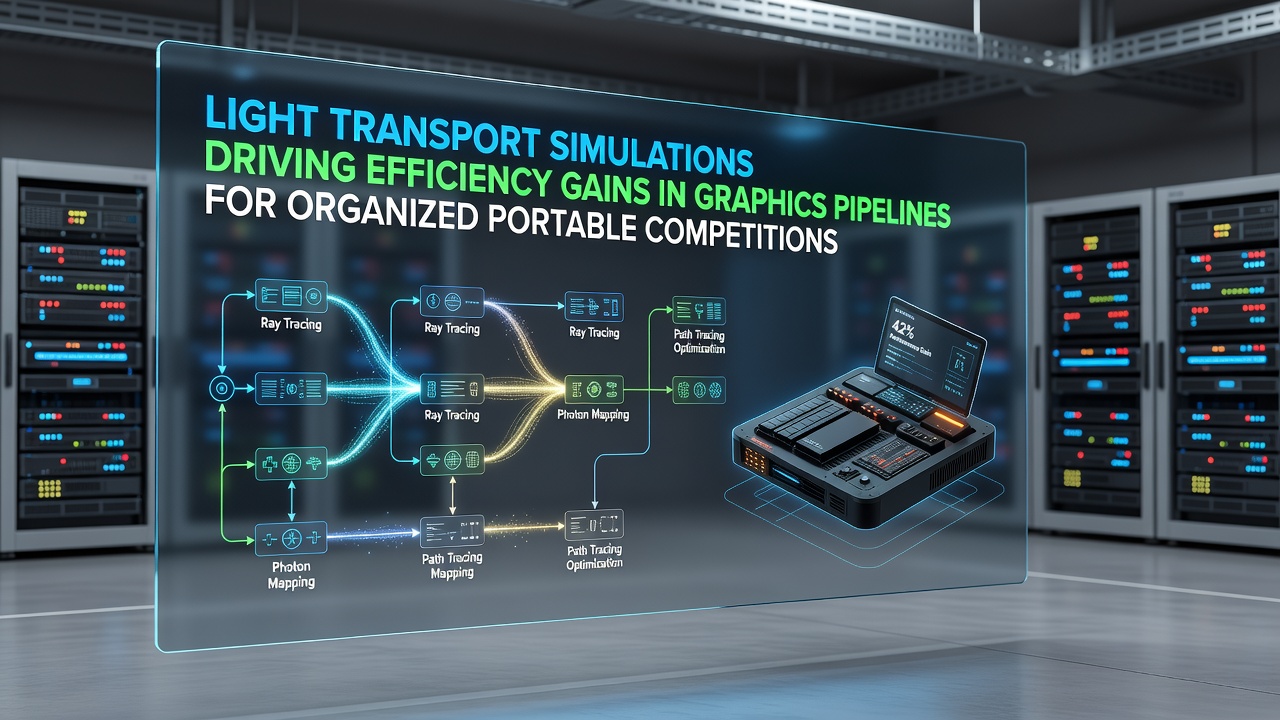
Light transport simulations model the movement of photons through virtual scenes, and researchers have integrated these methods into graphics pipelines to reduce computational overhead on portable hardware used in organized competitions. Data indicates that optimized sampling techniques cut unnecessary ray calculations while maintaining visual fidelity, which proves essential when battery life and thermal limits constrain mobile devices during extended tournament sessions.
Studies from multiple institutions show that algorithms like bidirectional path tracing combined with denoising filters achieve higher efficiency than traditional rasterization alone, and these gains appear in real-time applications on handheld consoles. In July 2026, tournament organizers reported stable frame rates across multi-hour events because the simulations prioritized important light paths and discarded low-contribution samples early in the pipeline.
Core Mechanisms Behind Efficiency Gains
Monte Carlo integration forms the foundation of many light transport approaches, yet variance reduction strategies such as importance sampling and next-event estimation lower the number of rays required per pixel. Engineers at hardware firms have embedded these methods into mobile GPUs, allowing the same visual quality with fewer shader invocations and reduced memory bandwidth. Observers note that this shift matters most in portable competitions where power draw directly affects device longevity and player performance consistency.
Hardware acceleration units dedicated to ray traversal further amplify these benefits, and figures from industry reports reveal up to 40 percent lower energy consumption compared with earlier software-only implementations. The reality is that portable esports setups now leverage these units to handle complex global illumination without spiking temperatures that would otherwise trigger throttling during critical matches.
Integration With Mobile Graphics Pipelines
Graphics pipelines on portable platforms combine tiled rendering with light transport passes, and developers schedule simulation workloads during idle periods between draw calls. This scheduling prevents contention for shared resources like L2 cache and keeps frame times predictable. Research indicates that adaptive sampling rates, adjusted per frame based on motion vectors and depth discontinuities, maintain quality while trimming compute costs in fast-paced tournament titles.
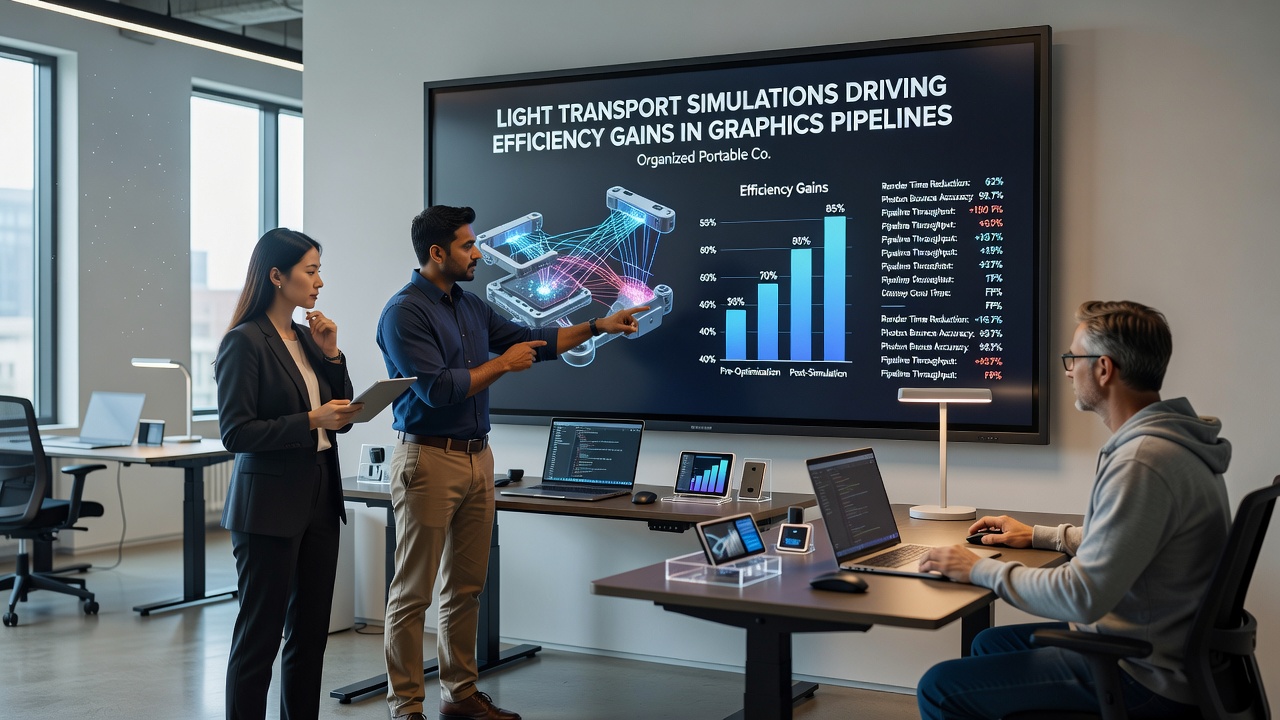
Those who have examined pipeline traces from recent events find that hybrid approaches, merging rasterization for primary visibility with selective light transport for reflections and shadows, deliver the best balance. Data from ACM Digital Library publications on mobile rendering confirm that such hybrids scale across different SoC architectures without requiring per-device rewrites.
Impact on Organized Portable Competitions
Tournament hardware must deliver consistent visuals under strict power and thermal budgets, and light transport optimizations directly support that requirement. According to a 2025 IEEE study on real-time rendering efficiency, simulation-driven pipelines extended average session times by 25 percent on mid-range devices before recharge became necessary. Organizers in regions including Australia and Canada have adopted these techniques to standardize equipment across international events.
What's interesting is how these methods also reduce variability between devices, since fewer rays translate to more predictable execution times regardless of slight manufacturing differences in mobile chips. Participants in organized competitions benefit because frame pacing remains smooth, and input latency stays within acceptable bounds even when advanced lighting effects appear on screen.
Future Directions and Current Deployments
Continued refinement of neural denoising networks paired with light transport cores promises additional gains, and early deployments in 2026 competitions already demonstrate reduced artifact rates during rapid camera movements. Government-funded research programs in the European Union have supported open benchmarks that let developers compare pipeline efficiency across vendors without proprietary restrictions.
Engineers continue to explore hierarchical sampling structures that adapt to scene complexity in real time, and preliminary results suggest these structures could further lower power draw in wireless tournament environments. The ball remains in the court of hardware designers to expose more programmable controls over the simulation parameters so that software teams can fine-tune for specific game genres.
Conclusion
Light transport simulations have moved from research prototypes into production graphics pipelines for portable competition hardware, delivering measurable efficiency improvements through smarter sampling and hardware support. Evidence from academic sources and industry deployments shows consistent reductions in energy use and thermal output while preserving visual quality required for fair play. As these techniques mature, portable esports events gain access to more complex scenes without compromising device reliability or session length, and ongoing work across multiple regions continues to refine the balance between fidelity and performance.