Specialized Sensor Arrays Refining Input Precision for Cloud Streaming in Professional Gaming Leagues
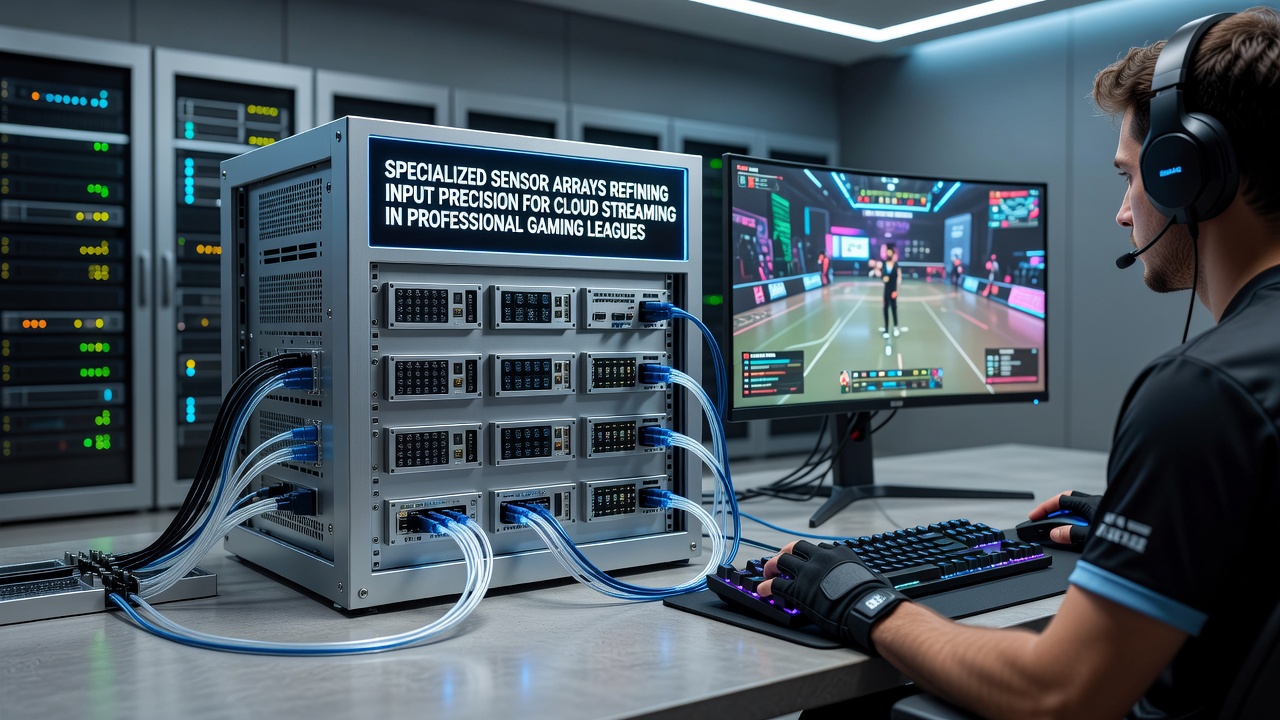
Specialized sensor arrays have emerged as a key component in professional gaming leagues where cloud streaming handles the bulk of processing tasks, and these systems combine multiple detection mechanisms such as accelerometers, gyroscopes, optical trackers, and pressure sensors into compact units that capture player inputs with greater detail than traditional controllers allow. Data from these arrays feeds directly into cloud servers, where algorithms interpret subtle variations in movement and pressure to reduce discrepancies between player actions and on-screen responses, while leagues in regions like North America and Europe have integrated them into tournament hardware since early 2025 to address latency issues that arise during high-stakes matches streamed over distributed networks.
Core Components and Detection Mechanisms
Engineers design these arrays around layered sensor fusion techniques that merge inputs from several sources into a single coherent signal, and this approach allows the system to filter out noise from environmental factors such as vibrations or electromagnetic interference common in arena settings. Research from institutions like the National Institute of Standards and Technology indicates that multi-sensor configurations achieve input resolution improvements of up to 40 percent compared to single-modality devices, because the arrays cross-reference data streams in real time before transmission to remote servers. Professional setups often incorporate Hall-effect sensors for magnetic field detection alongside capacitive touch elements, which together provide continuous tracking even when players execute rapid directional changes during competitive sessions.
Integration with Cloud Streaming Pipelines
Cloud streaming platforms route sensor data through dedicated edge nodes that preprocess inputs before full synchronization with game engines hosted in centralized data centers, and this workflow minimizes the impact of network jitter on precision-critical actions like aiming or timing maneuvers. Observers note that leagues scheduling major events in July 2026 have adopted standardized protocols for array calibration, ensuring consistent performance across venues where connectivity varies between fiber-optic backbones and wireless uplinks. The arrays transmit at higher sampling rates, often exceeding 1000 Hz, which aligns with the requirements of cloud renderers that must predict and compensate for round-trip delays in player command delivery.
Performance Metrics in Tournament Environments
Studies conducted by European research consortia have measured how these arrays affect overall system latency in cloud-based esports competitions, and results show average input-to-display delays dropping below 20 milliseconds when arrays operate in tandem with optimized compression algorithms. Teams competing in structured leagues report fewer instances of missed inputs during peak hours, since the sensor data includes contextual metadata that helps servers distinguish intentional commands from accidental jostles. What's interesting here is the way calibration routines adapt to individual player profiles, drawing on historical match data to fine-tune sensitivity curves without requiring manual adjustments mid-tournament.
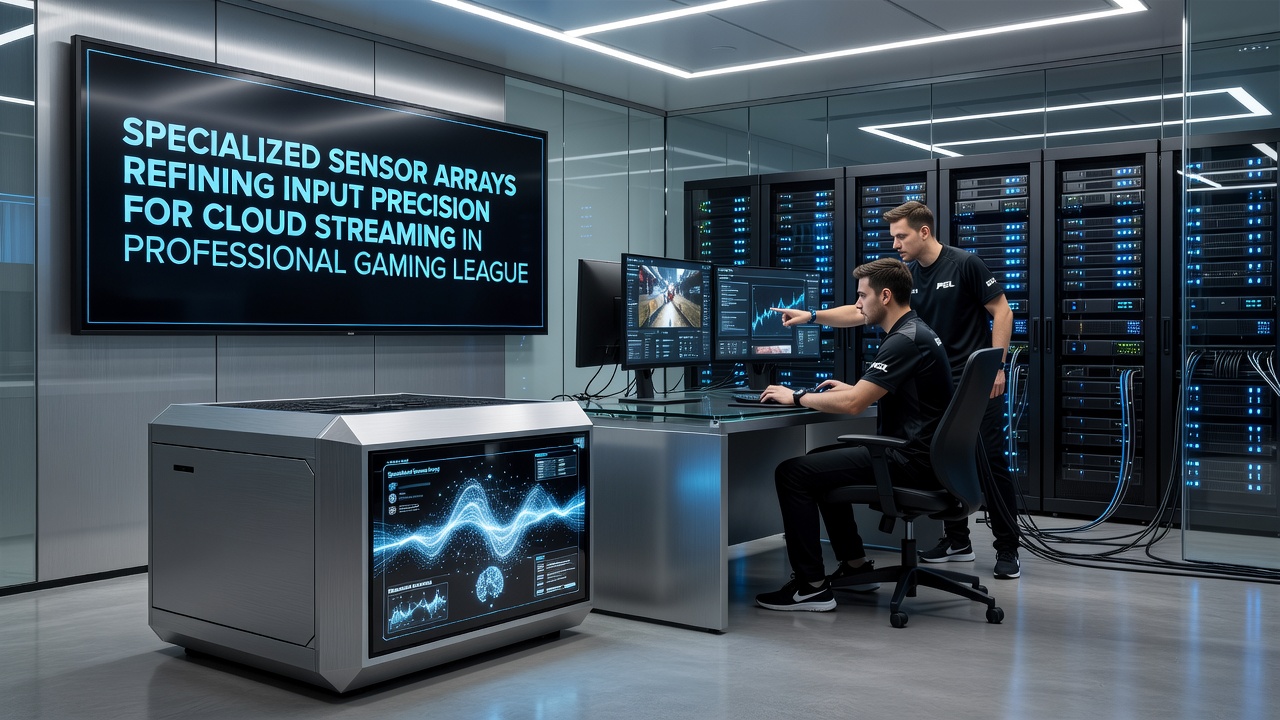
Leagues have begun incorporating array diagnostics into their equipment certification processes, which involves verifying sensor accuracy against reference standards set by international bodies such as the International Telecommunication Union. This step ensures that all participants operate under equivalent conditions regardless of whether matches occur in indoor arenas or hybrid remote formats. Data collected during July 2026 qualifiers revealed that arrays equipped with redundant detection paths maintained stability even under sustained high-temperature conditions typical of extended play periods.
Broader Applications Across Distributed Gaming Networks
Developments in sensor array technology extend beyond core input capture to support features like predictive modeling, where cloud systems anticipate player trajectories based on micro-movements detected by the arrays, and this capability proves especially useful in fast-paced genres that dominate professional circuits. Industry reports from organizations including the Entertainment Software Association highlight how North American and Australian esports federations collaborate on shared specifications for array interfaces, promoting interoperability between different streaming providers. Such cooperation reduces the need for proprietary hardware tweaks when competitors travel between continents for scheduled events.
Training facilities associated with major leagues now use array-generated datasets to analyze player habits in granular detail, feeding the information back into customized controller firmware that complements the cloud environment. The arrays also contribute to accessibility initiatives by allowing finer adjustments for participants with varying motor capabilities, since pressure and motion thresholds can be recalibrated on a per-user basis through software layers running on the streaming backend.
Conclusion
Specialized sensor arrays continue to refine input precision within cloud streaming frameworks that underpin professional gaming leagues, delivering measurable gains in responsiveness and consistency across competitive formats. As hardware standards evolve and integration with edge computing resources expands, these systems support the demands of increasingly complex tournaments while maintaining equitable conditions for all participants. Ongoing work from research entities across multiple regions ensures that future iterations address emerging challenges in network variability and device durability without disrupting established league operations.