The Hidden Synergies Between VR Immersion Tools and Console Optimization Techniques in Modern Tournaments
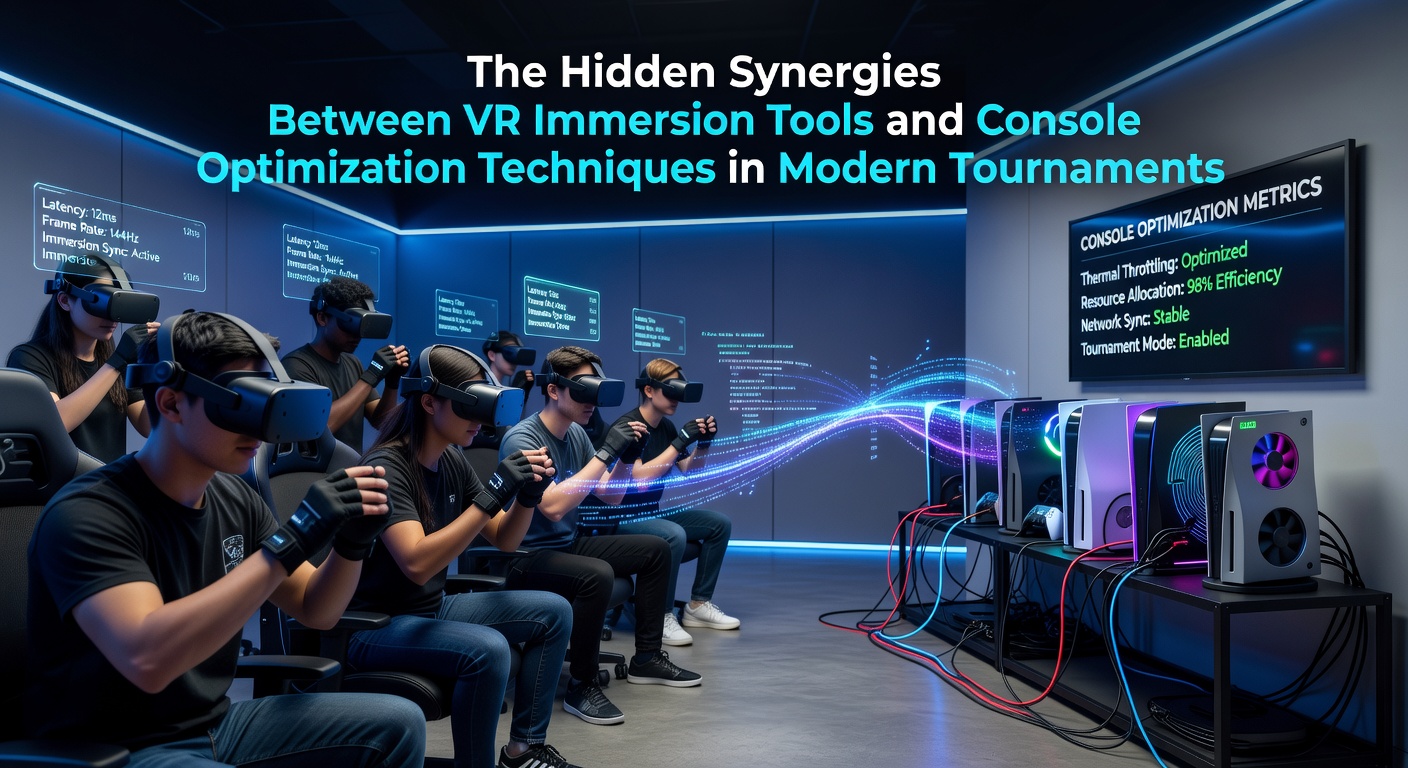
Modern tournaments blend virtual reality immersion tools with console optimization techniques in ways that reshape how competitors engage with high-stakes environments, and data from industry reports shows these elements work together to maintain performance while delivering deeper sensory feedback. Research indicates that VR systems now incorporate eye-tracking sensors and spatial audio arrays alongside console processors that adjust rendering loads dynamically, creating pathways where immersion enhancements actually support rather than strain hardware limits during extended play sessions.
Core Components of VR Immersion Tools
VR immersion tools rely on a combination of haptic feedback suits, motion controllers with sub-millimeter precision, and adaptive display technologies that respond to user movement patterns, yet these features generate substantial computational demands that consoles must handle without frame drops. Observers note that manufacturers have refined force-feedback mechanisms to operate at variable intensities based on in-game events, which allows consoles to allocate processing cycles more efficiently across multiplayer brackets. Studies from academic institutions reveal that such tools reduce latency in competitive scenarios by synchronizing physical inputs with optimized graphics pipelines, and this coordination proves essential when tournaments scale to dozens of simultaneous participants.
Console Optimization Techniques in Competitive Play
Console optimization techniques include variable rate shading, dynamic resolution scaling, and predictive asset streaming that prioritize critical visual elements during fast-paced matches, while background processes handle less urgent computations to sustain steady frame rates. Experts have observed that these methods evolved significantly by early 2026, enabling hardware to support VR overlays without dedicated high-end upgrades for every participant. Figures from the Entertainment Software Association highlight how optimization updates rolled out across major platforms improved compatibility with immersion peripherals, allowing mid-tier consoles to deliver consistent experiences in regional qualifiers leading into larger events.
Intersections That Drive Tournament Performance
Synergies emerge when VR tools feed real-time biometric data into console optimization algorithms, so systems can preemptively lower shadow detail or texture complexity during intense moments without players noticing the shift. This integration means immersion hardware like full-body trackers can trigger performance modes that conserve power and heat, extending session lengths in May 2026 tournament circuits where back-to-back matches test endurance limits. What's interesting is how these adjustments maintain competitive fairness across regions, since consoles running optimized VR setups deliver equivalent responsiveness regardless of venue-specific network conditions.
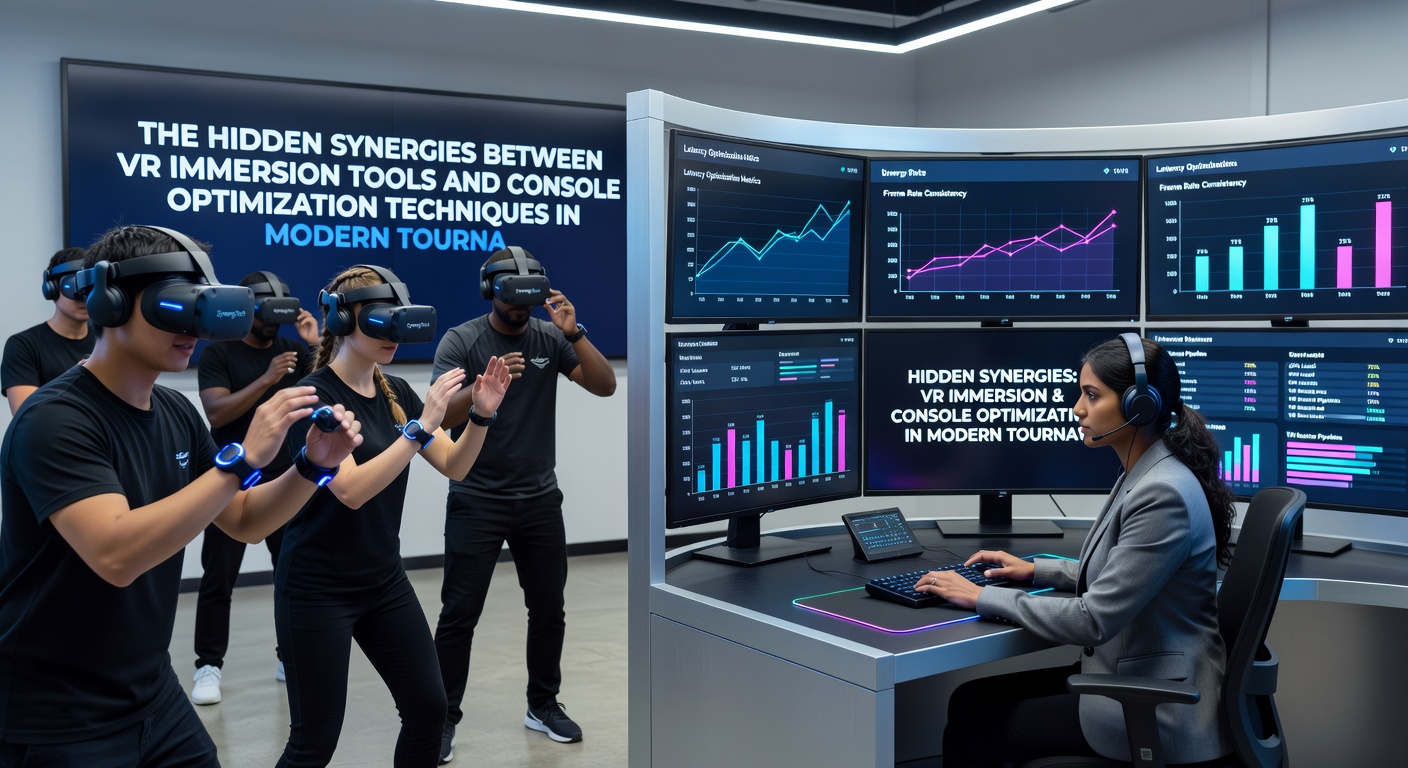
Researchers discovered that eye-tracking data from VR headsets directly informs foveated rendering techniques on consoles, concentrating high-resolution output only where competitors focus their gaze while peripheral areas use lighter processing loads. This approach cuts overall power consumption by measurable margins according to technical evaluations, and it supports longer tournament days without thermal throttling that could affect input accuracy. Industry organizations such as the International Game Developers Association have documented cases where teams combined these features to stabilize network-synchronized VR sessions, reducing desync incidents that previously disrupted bracket progressions.
Real-World Applications in 2026 Events
During the May 2026 global circuit, several organizers deployed consoles pre-configured with VR-specific optimization profiles that automatically calibrated haptic intensity based on detected network stability, ensuring immersive feedback remained reliable even under variable tournament conditions. Data shows that participants using these integrated setups reported fewer instances of motion discomfort because optimization routines smoothed frame pacing in response to head movement velocity captured by VR sensors. Those who've analyzed post-event metrics point out that the combination allowed smaller venues to host large-scale VR tournaments without investing in specialized server farms, since console hardware handled much of the rendering locally while syncing essential state data across matches.
Further connections appear in audio optimization layers that prioritize spatial sound cues from VR microphones, directing console resources toward positional audio processing rather than uniform sound mixing. This selective allocation keeps immersion sharp during critical plays, and it aligns with broader efforts by regulatory bodies in the European Union to standardize accessibility features in competitive gaming hardware. The result is a feedback loop where immersion tools supply richer input streams that optimization techniques then refine for efficiency, creating tournament environments that feel both deeply engaging and technically robust.
Conclusion
The interplay between VR immersion tools and console optimization techniques continues to expand the scope of modern tournaments by balancing sensory depth with hardware reliability. Evidence from multiple technical assessments demonstrates that these synergies support scalable events across diverse locations, while maintaining consistent performance standards that competitors rely upon. As platforms advance further, the documented patterns suggest ongoing refinements will keep these elements aligned for future circuits without requiring wholesale hardware replacements.