Volumetric capture methods reshaping avatar customization workflows in cross-platform esports training modules
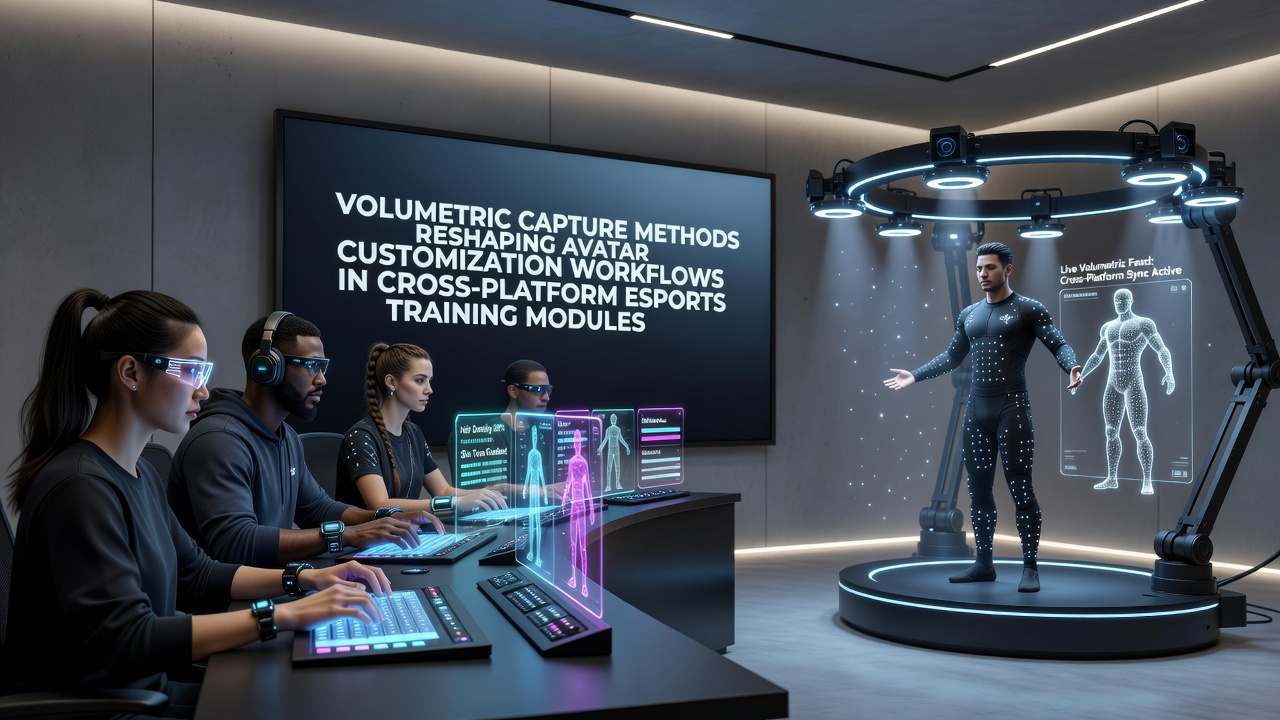 Volumetric capture uses arrays of synchronized cameras and depth sensors to record performers from every angle, then reconstructs those recordings into interactive three-dimensional models that move and respond in real time. Teams in cross-platform esports training programs have adopted these models to replace static 2D sprites and generic rigs, allowing players to see accurate representations of themselves or teammates during practice sessions that run on PC, console, and mobile hardware simultaneously. The process begins with a calibration phase where athletes stand inside a capture volume while the system records surface geometry, texture, and motion at high frame rates. Software then processes the data into meshes that retain fine details such as fabric folds, equipment markings, and individual posture. Once generated, these assets feed directly into game engines that support multiple rendering pipelines, so the same avatar file loads correctly whether the training module runs on a high-end desktop rig or a handheld device.
Workflow changes in customization pipelines
Traditional avatar creation required artists to sculpt models by hand and rig them manually, a sequence that often stretched across weeks for each character variant. Volumetric pipelines compress that timeline because capture sessions last only minutes and automated reconstruction handles most geometric work. Studios report that artists now spend the majority of their time on refinement tasks such as adjusting material properties or adding performance-specific animations rather than building base meshes from scratch.
Data from industry reports shows that teams using volumetric methods have reduced avatar iteration cycles from an average of 18 days to under five. The same files adapt across platforms through automated LOD generation and texture compression routines that maintain visual fidelity while meeting the memory constraints of mobile tournament hardware. Trainers note that players receive updated avatars within a single practice day instead of waiting for the next patch cycle.Cross-platform synchronization and training integration
Esports organizations coordinate practice across regions and device types, which creates demand for avatars that behave identically regardless of the client. Volumetric assets include embedded skeletal data and blend shapes that map to standard animation controllers, so a captured run animation plays back consistently on both a console connected to a large display and a smartphone used during travel. Middleware layers handle platform-specific optimizations such as shader variants and draw-call batching, keeping the core model unchanged.
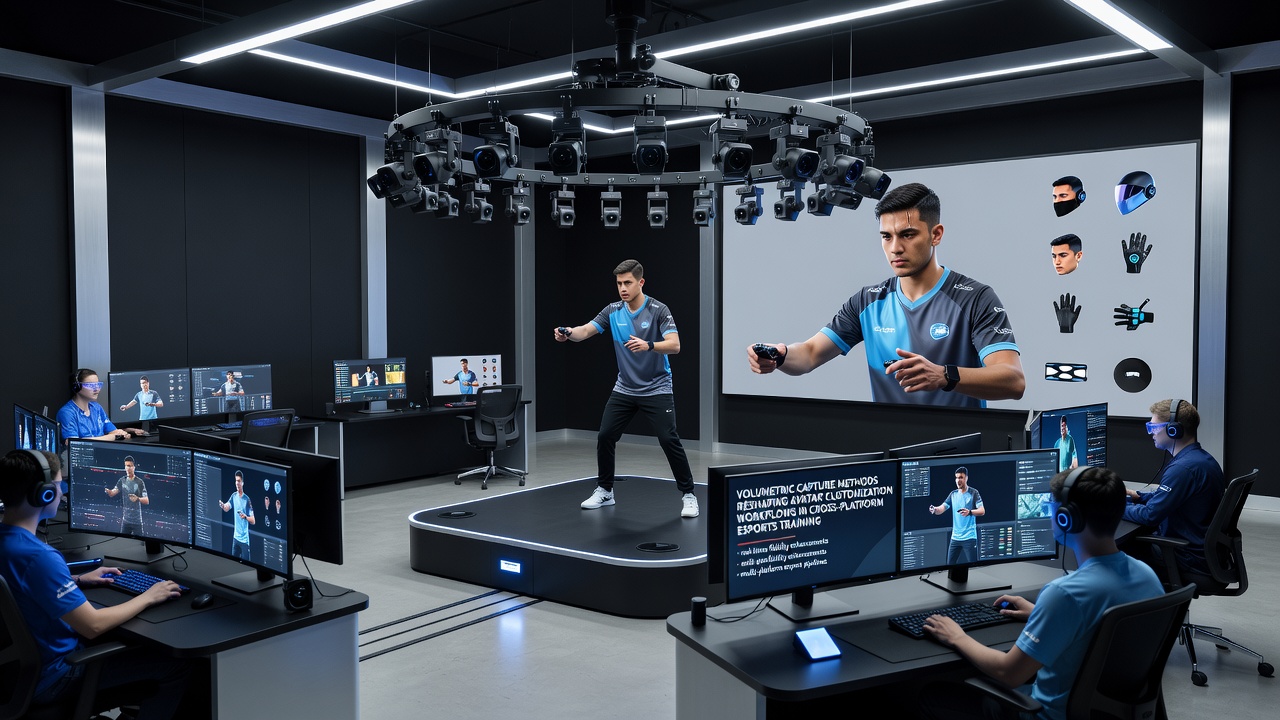 Researchers at the University of Waterloo documented how these shared avatars improved communication during joint drills because teammates could recognize exact body positioning and gesture cues that generic models obscured. The study tracked sessions involving participants from North American and European squads who trained together on mixed hardware setups.
Current developments as of August 2026
By August 2026 several leagues had standardized volumetric capture requirements for official training modules. Hardware vendors introduced portable capture kits that fit inside team facilities, reducing reliance on centralized studios. Cloud processing services now deliver reconstructed meshes within hours of upload, and encryption protocols ensure that biometric data remains protected during transfer. One European gaming association published guidelines recommending minimum capture resolutions for avatars used in sanctioned events, citing improved fairness when players train with accurate self-representations.
Integration with performance analytics platforms allows coaches to overlay movement data onto the captured avatars, highlighting differences between intended and actual positioning during drills. Mobile clients receive downsampled versions that preserve the same skeletal proportions, so feedback remains valid across device classes.
Conclusion
Volumetric capture has become a standard input stage in avatar pipelines for cross-platform esports training because it supplies consistent three-dimensional assets that multiple devices can render without separate modeling passes. The shift has shortened production timelines, improved recognition of player movement across regions, and aligned avatar data with existing analytics tools. As capture hardware continues to decrease in size and processing services expand geographic coverage, the same methods are expected to support additional formats such as mixed-reality overlays in future training environments.